Posts

Showing posts with the label Greek honey

Macedonian Halva (Μακεδονικός Χαλβάς)
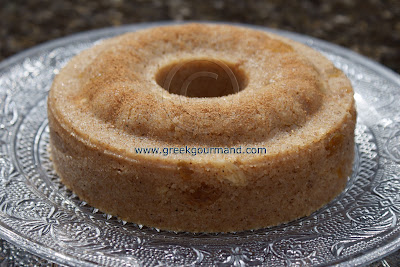
Image
For those of you who are fasting for Lent or practicing vegetarian/vegans, this is your lucky day. Happy St. Patrick’s Day! Irish eyes are smilin'! :) Halva ready for service - Click to enlarge image One of the hardest aspects of a fast or strict dietary regimen is avoiding tempting sweets and finding acceptable substitutes for dessert courses. This is especially hard on kids. Confections like this one are popular amongst Greek families during the Lenten period. I simply loved this stuff as a child. Still do! There are probably as many variations on this recipe as there are Greek matrons with culinary opinions. My recipe is quite basic, feel free to add or substitute other elements like pine nuts, sesame seeds, walnuts, or whatever else tickles your fancy. A few drops of orange blossom water or even some lemon rind in the syrup could also be a nice touch. I should mention that not only are there numerous permutations for this recipe, there are also alterna...
Pasteli (Παστέλι)

Image
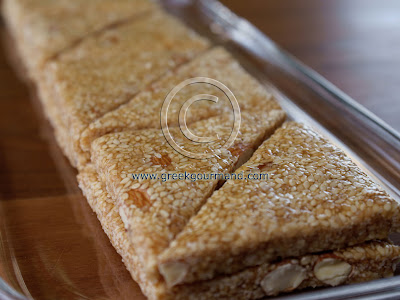
Ever wondered what sorts of foods the ancient Greeks ate? Here is a recipe for a healthful chewy snack that has satisfied and pleased children and adults alike for millennia. My Pasteli triangles - Click to Enlarge Image. Pasteli , the mere mention of the word will bring a smile to any Greek’s face. An all natural confection, in its simplest form, pasteli is composed of two ingredients: sesame seeds and honey. The addition of nuts such as walnuts, pistachios, or almonds is also common in some versions of pasteli . Sesame has been an ingredient in the Greek pantry since time immemorial. Mention of it is made in Linear B tablets found at Mycenae dated to the 14th Century BC. Indeed, the English word “sesame” is itself derived from the Greek word σησαμη or sēsámē. This combination of honey and sesame seeds to form wafers of chewy wholesome goodness is one Greek food concoction that has been around - quite literally - for ages. In the Archaic age and later in the Classical and H...

Pastokydono or Komfeto: Quince Paste (Παστοκύδωνο / Κομφέτο)

Image
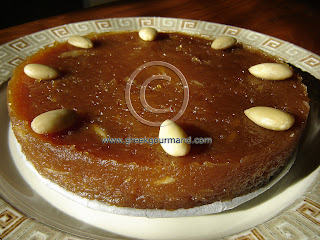
The quince and the Greek honey melded into a translucent paste delight, freckled with slivered blanched almonds. Click to Enlarge Image. This Greek dessert is a specialty of the island of Kefalonia. Long before chocolates and other modern sugar-based confections appeared on the scene in Greece, Greeks were fond of this autumn harvest sweet; one used to be able to find it everywhere from bakeries to street kiosks, wrapped in quaint little folded parchment paper packets. Alas, times have changed and it is no longer so widely available. If you do find it, it is usually made with sugar as using honey exclusively would make it prohibitively expensive to sell competitively in the agorá . But believe you me; one can taste the difference in the finished product. The sugar-based versions are far too sweet for my palate. Greek honey is world renowned for its quality, flavours, and therapeutic benefits. Indeed, honey is a universal medicine in Greek households. As far ...