Posts

Showing posts with the label main meals

Magiritsa (μαγειριτσα): Greek Easter Soup
Image
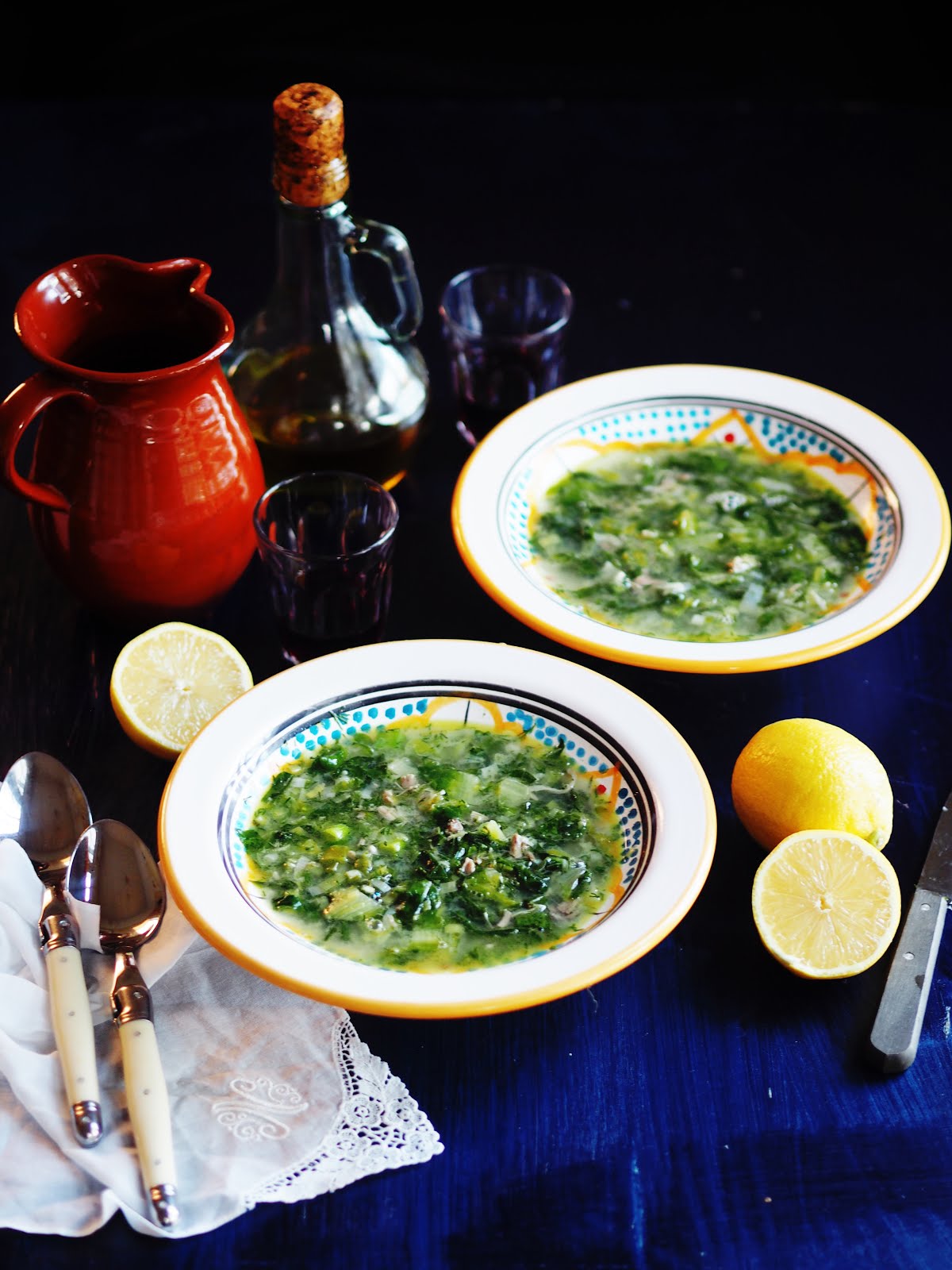
Magiritsa (μαγειρίτσα) is the traditional soup eaten early on Easter Sunday morning, following the midnight Divine Liturgy of the Greek Orthodox Church, to break the fast of Lent.  The soup is prepared on Holy Saturday and many families put the soup on a very low heat to cook, before they leave for church. Traditionally magiritsa is made with all of the offal from the lamb, which is spit roasted for the Paschal meal. The lamb offal is flavoured with spring onions, dill and lettuce. Rice is added towards the end of the simmering process and the stock is thickened with avgolemono. Accompaniments to this dish sometimes include the red, hard boiled eggs, salad, cheese and the Easter bread, tsoureki.  I grew up in a household where offal was a rarity, eaten only very occasionally at my grandparent's houses, my mum being more of a pescatarian (although not strictly). My first taste of traditional magiritsa came at my parents in law's home at Easter. It was absolute...
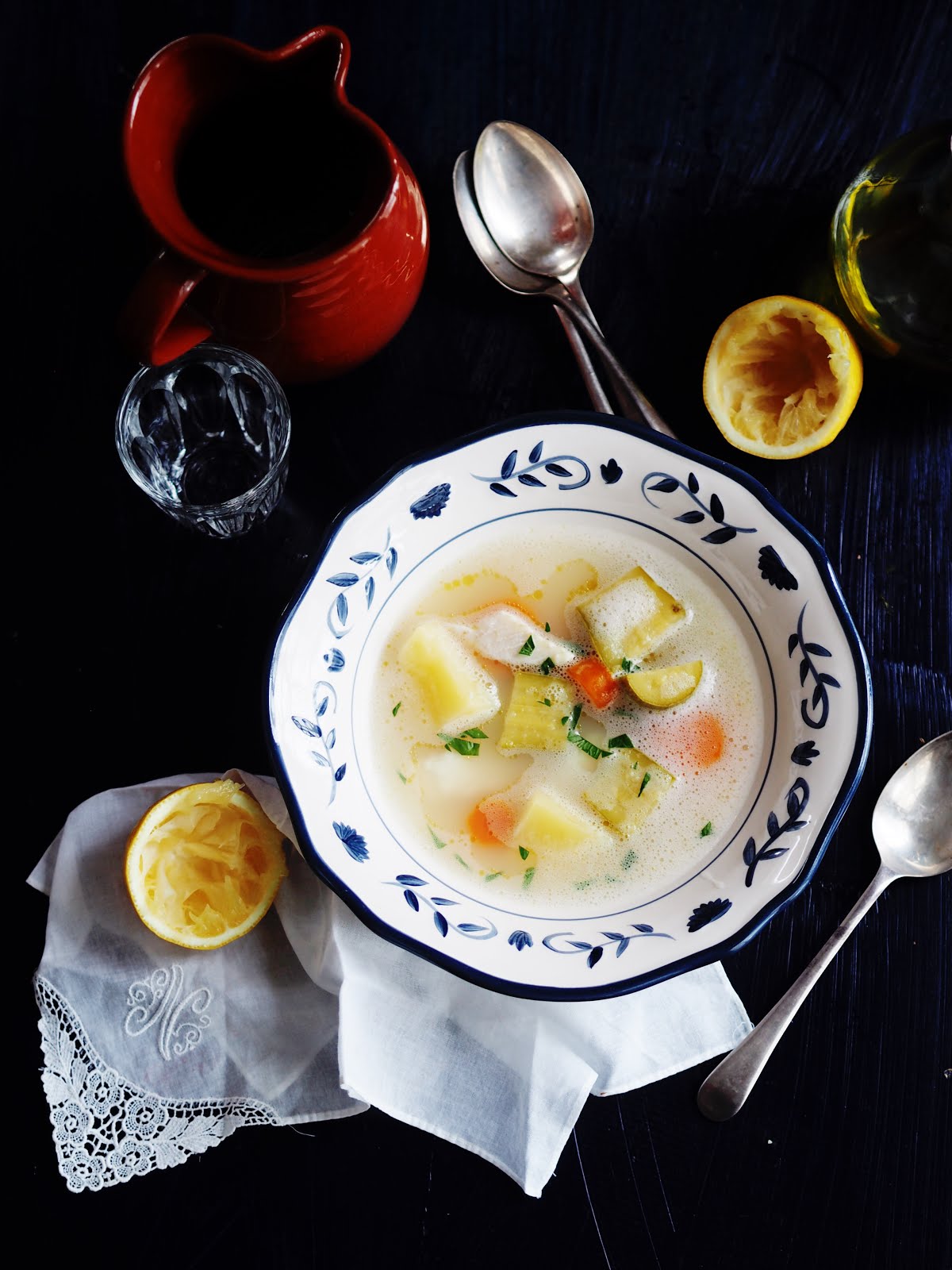
Mum's fish soup with avgolemono (Ψαροσουπα αβγολεμονο | ΣΥΝΤΑΓΕΣ ΜΑΜΑΣ)

Image
One of the most loved home style Greek recipes, psarosoupa (fish soup) is a perfect dish for those cooler autumn nights that are coming our way here in Australia.  Mum's recipe starts with a simple vegetable stock, which uses plenty of celery leaves in lieu of the Greek grown herb 'selino'. If Ma were in Greece she would use selino, the wild celery, that is both a herb and a vegetable. It has much thinner stalks than our ordinary celery and more leaves. Hence, Ma's use of plenty of celery leaves in this dish.  Once the vegetable stock is created, the fish is then cooked in the stock. Ma's fish of choice here in Australia is snapper, but you could use any fish with firm white fillets. The odd red mullet (called barbounia) can also be added. Before the fish is cooked however, Ma's secret for perfect fish soup is to scrupulously clean the fish. They should be cleaned to the point where, when they are placed under a running tap, the water runs clear and is not cloud...

Greek Independence Day: Salt Cod and Skordalia (Μπακαλιαρος σκορδαλια)

Image
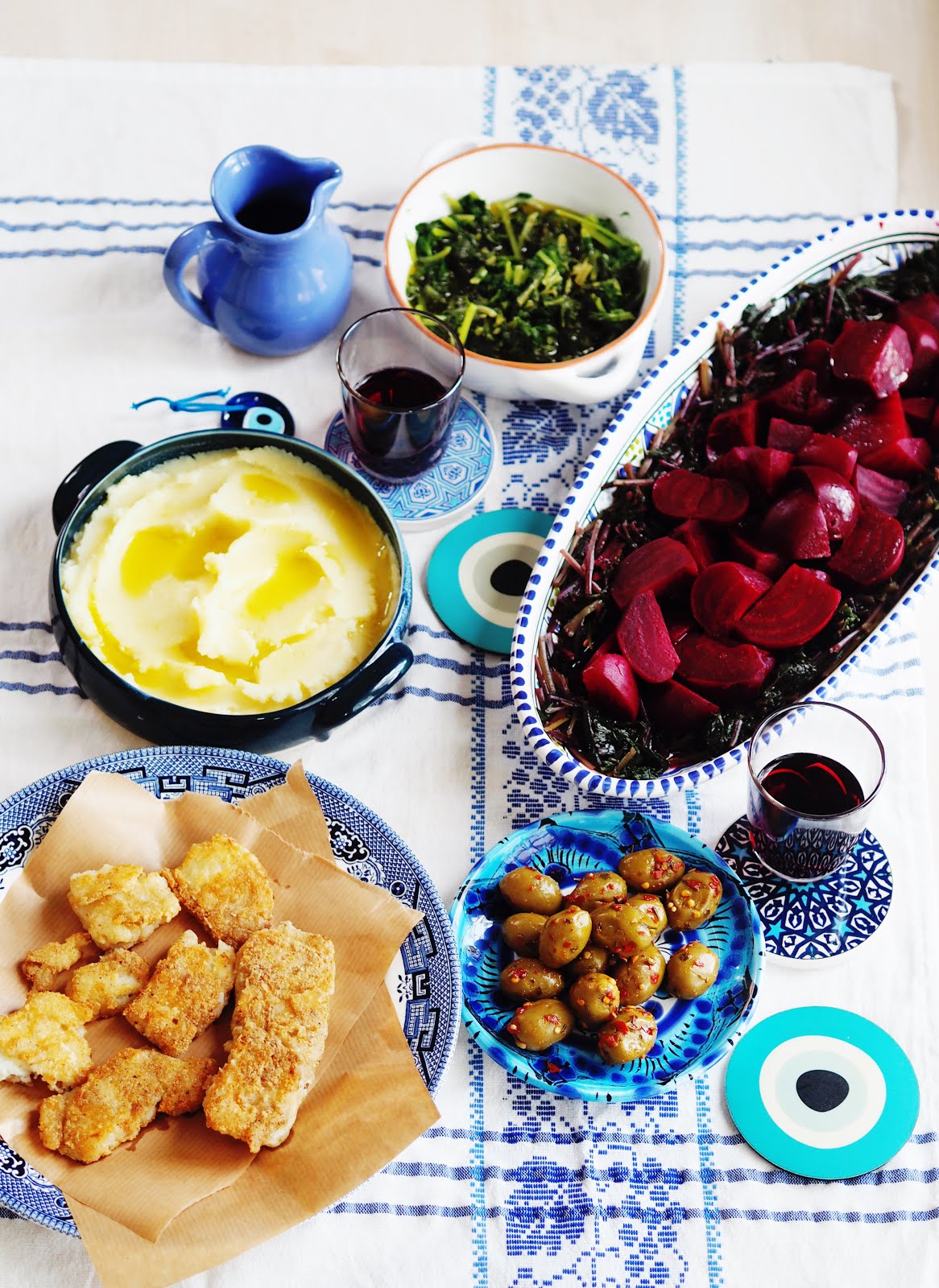
March 25 marks Greek National Independence Day and the Annunciation. While this day usually falls during lent it is the custom, allowed by the Church, to pause in fasting and eat fish. By far the most popular fish of choice on this day (and one of the pillars of Greek cuisine) is Fried Salt Cod Fillets accompanied by skordalia, a garlic spiked potato puree. A simple boiled beetroot salad (which includes the beetroot leaves) dressed in olive oil and Greek wine vinegar, is also a traditional side dish. While fried salt cod seems a simple dish, the Greek version of fish and chips, it is far from it. The crunchy coating of the cod, fried in olive oil, has a soft savoury inside - an addictive combination. Ordinarily, the dish is made with a fluffy beer batter ( you can find the traditional recipe here ). However, this year I decided to opt for a change and prepared the cod in with a lighter lemon zest and herb flavoured crust, using gluten free flour. Fried salt cod (Μπακαλιάρος) Serves 4;...

Ma's octopus pilafi (χταποδι πιλαφι | συνταγες μαμας)

Image
There is nothing my mother in law likes more, than to be in her kitchen creating food for her family. After a serious illness over the last few months, it has been wonderful to see Ma feeling just well enough again to be back in the kitchen doing what she loves best - cooking. When she is not cooking, then there is nothing more that we like to do together more, than talk about food and recipes. Yesterday, Ma shared with me two of her recipes, octopus pilafi, a traditional Greek Lenten dish and her own, more revolutionary (and certainly not traditionally Greek), chilli puree.  My lovely brother in law recently shared with me a story about Ma's discovery of chilli. It was about 20 years ago and after a period of experimenting, she hasn't looked back since! Ma loves chilli for its reported health benefits as well as the heat and flavour it brings to her dishes. However, as it is not a traditional Greek ingredient, Ma uses it sparingly in the form of a milder chilli puree made from...

Eggplants smothered in garlic (Μελιτζανες σκορδοστουμπι οπως στο Τζαντε)

Image
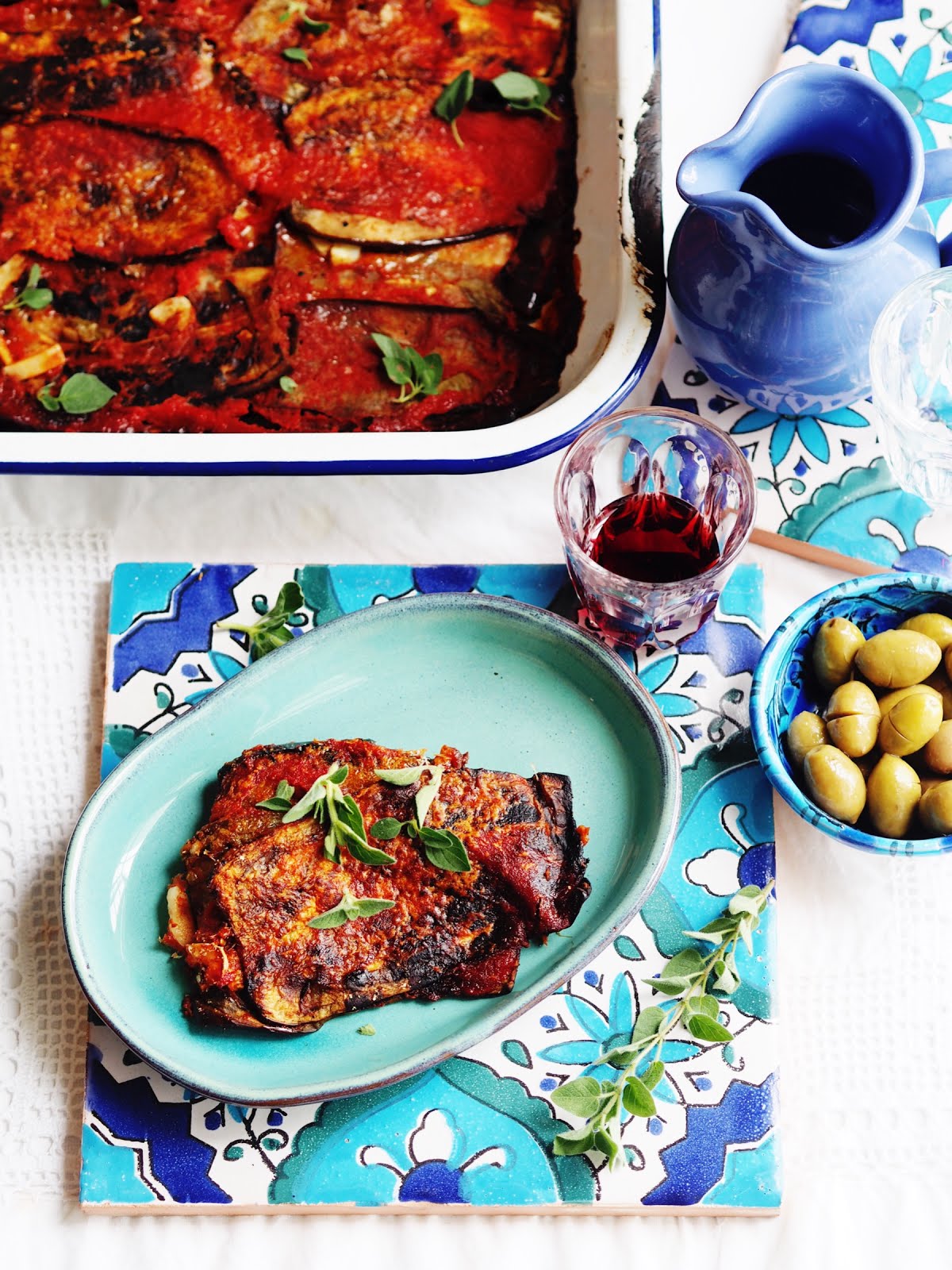
Give a Greek person a vegetable, any vegetable, and they will transform it into a mouthwatering feast. Summer vegetables, especially succulent tomatoes hardly require any exhaustive transformation because they are just so delicious - all you need is a little oil and vinegar. However, in this traditional Zakynthian dish, summer tomatoes combine with the humble eggplant and a lot of garlic to make a truly spectacular dish. If you were in Napoli, the garlic in this dish would be replaced with oozy mozzarella cheese and dustings of parmigiano reggiano. In Greek cuisine, there are strict (albeit unsaid) rules when it comes to using cheese. Hard cheeses are for eating at the table, with along with a generous bowl of olives. Soft cheeses, like feta, are crumbled into pies or a large slices adorn salads. Rarely are cheeses used in vegetable dishes - perhaps this comes from the tradition of fasting in the Greek orthodox church. In the long fasting months leading up to Ch...

Artichoke, purslane and potato salad (Σαλάτα με γλιστρίδα, αγκινάρες και πατάτες)

Image
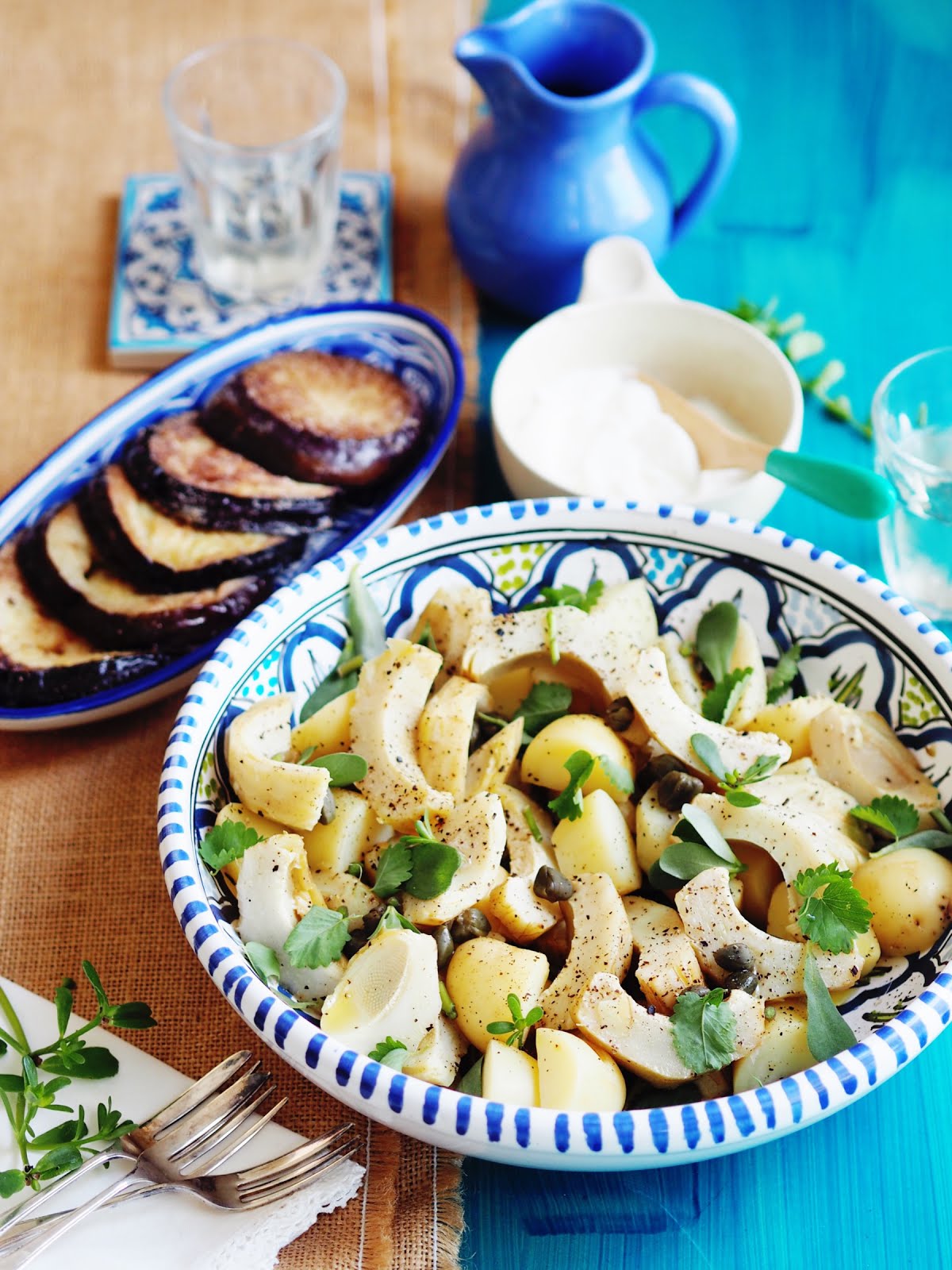
There is no greater love in the Greek home kitchen than a warm salad. A salad made with cooked vegetables, rather than leaves and tossed in a lemony dressing. I love this way of serving vegetables, a meal in themselves when accompanied by a slice of feta dusted in riagni and good quality Greek olives. A warm salad of broccoli is regular home-style staple on the Greek table and simply dressed beetroot is also a big favourite. In summer a warm salad of baby zucchini, baby potatoes and sweet vlita (amaranth) leaves is also very popular. This salad takes its inspiration from the summer garden with fresh artichokes, baby potatoes and lemony purslane. Artichoke, purslane and potato salad ( Σαλάτα με γλιστρίδα, αγκινάρες και πατάτες ) Ingredients 8 artichoke bottoms, fresh or frozen 6 baby potatoes 8 small bunch of purslane, cleaned of any grit and tougher stems removed (save a couple of leaves for garnish) 8 small pickling onions 2 tablespoons dill, chopped For the dressing: 8 teaspoons of o...

Stuffed zucchini blossoms: the baked method (Κολοκυθοανθοι γεμιστοι)

Image
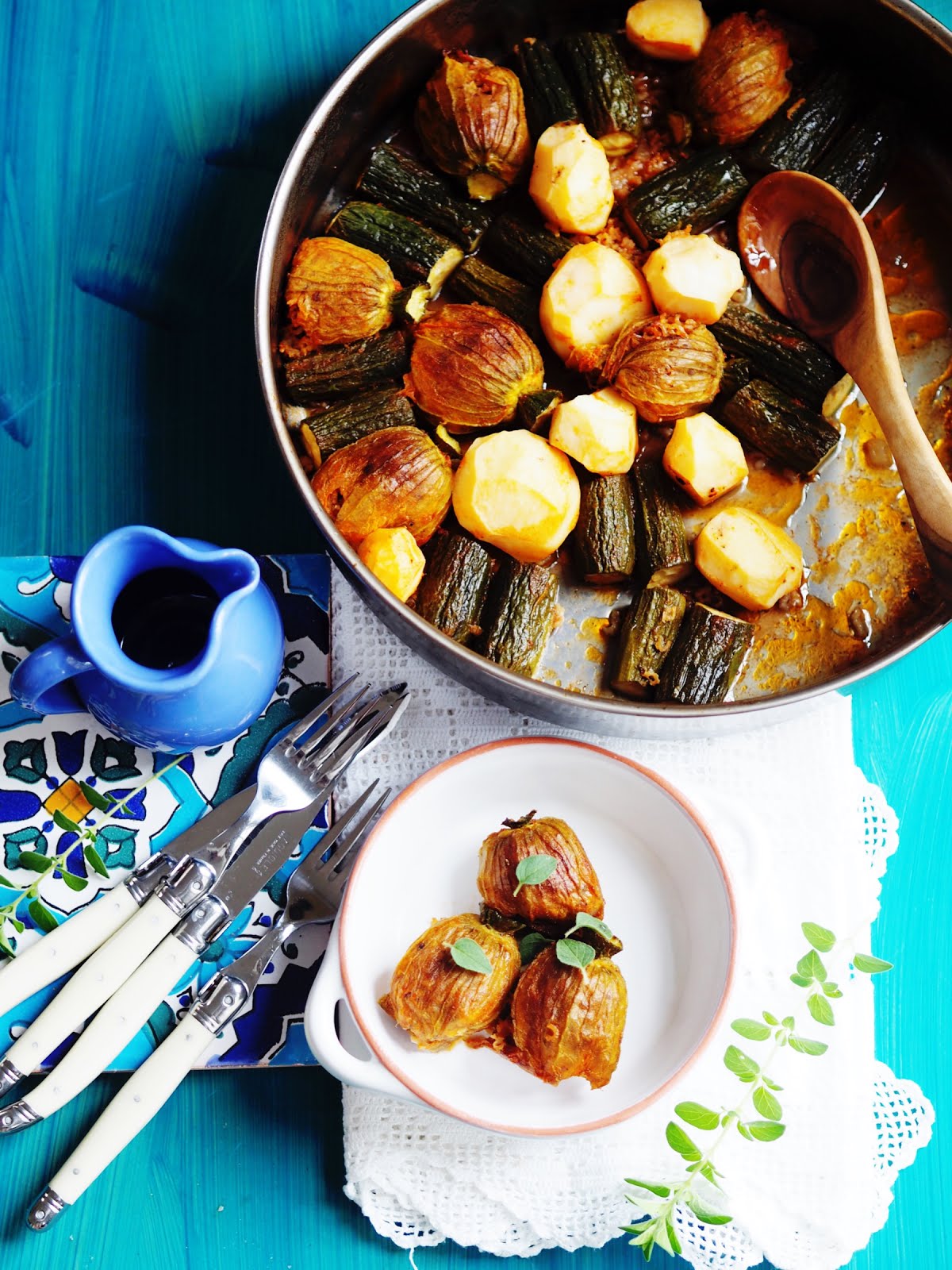
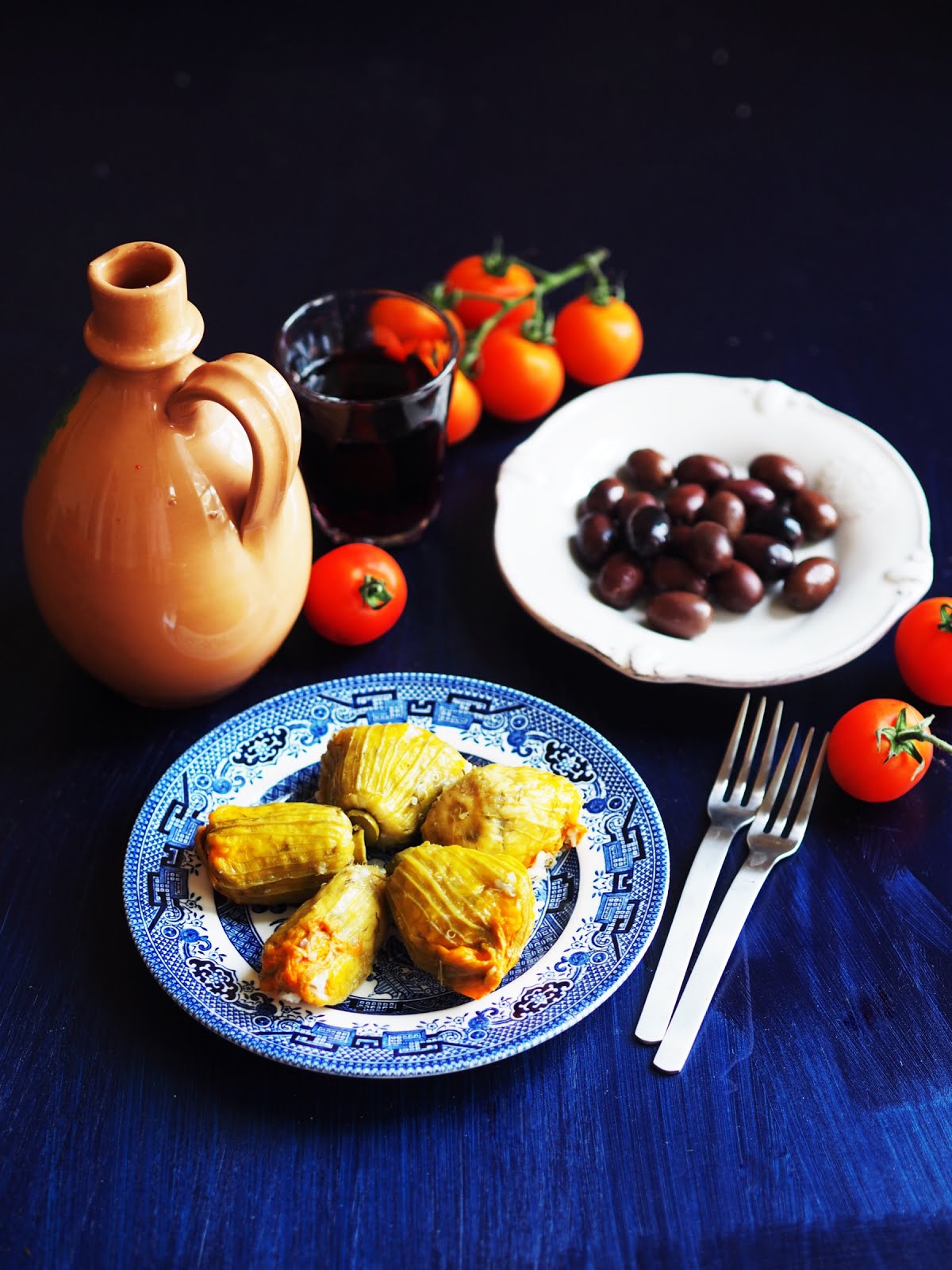
In part two of my ode to summery zucchini blossoms, I bring you the recipe for baked blossoms. In part one of this series of posts, I featured the stove top method for cooking these beauties. As I mentioned before, how you prepare the blossoms really depends on how you were taught by your mother or grandmother. Both methods are equally delicious and without further delay, I bring you the baked recipe!   Stuffed zucchini blossoms: the baked method (Κολοκυθοανθοι γεμ ιστοι) Serves 6; cooking time 60 minutes Ingredients 30 zucchini blossoms 15 or so baby zucchini (these should be available with the blossoms) 4-5 small potatoes, halved or quartered 1 cup Greek Carolina or other medium grain Calrose rice 1 small  brown onion, finely diced 2 garlic cloves, finely chopped 2 tablespoons of fresh dill, finely chopped 2 tablespoons of fresh mint, finely chopped 2 tablespoons of fresh parsley, finely chopped Dried bukovo chilli flakes, to taste Salt and g...

Gigandes plaki (γιγαντες πλακι)

Image
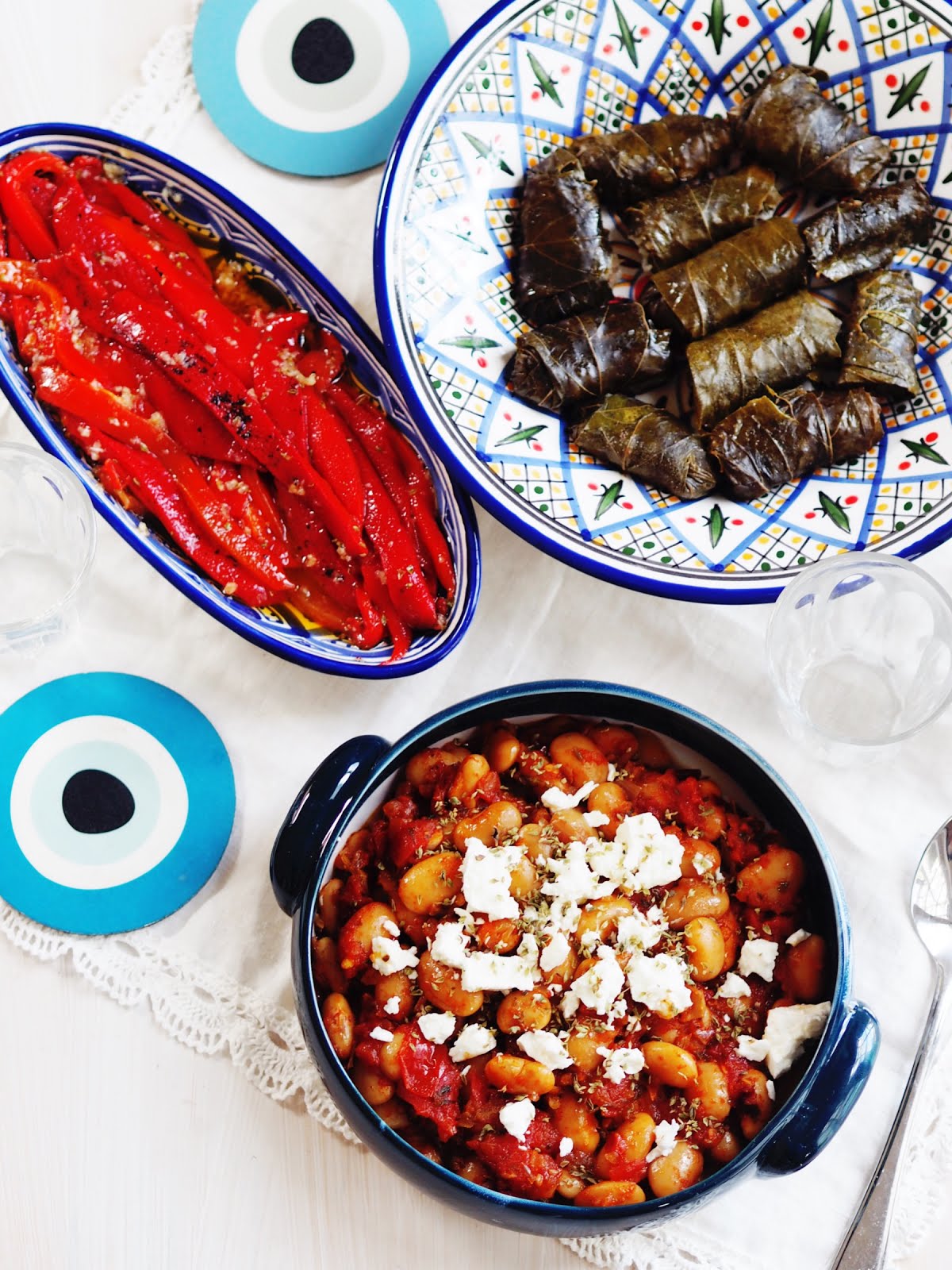
A variety of beans are used in Greek cooking. Small beans, such as haricot beans are used in fasolada soup or chilled summer salads. However, giant white beans, known as 'butter beans' in English are the sole contenders for being baked in the oven in a classic dish called "gigandes plaki " also spelled gigantes or yigandes (γίγαντες πλακί). While many there many different regional recipes for this dish, most commonly the beans are first cooked in water to soften them and then baked in fresh tomato sauce with carrots and celery. In some areas, particularly in northern Greece, a more hearty winter version of the dish calls for spinach, sausage or even spicy whole chili peppers to be added. In our family, my mother in law's Zakynthian origins shine through in this recipe with a classic Ionian style freshly grated tomato sauce, flavoured with plenty of parsley and garlic. You can reduce the amounts of these in the recipe if you prefer a more mildly f...

Stuffed zucchini blossoms: the stove top method (Κολοκυθοανθοι γεμιστοι)

Image
As soon as summer arrives, my cravings for stuffed zucchini blossoms begins. Stuffed zucchini blossoms are a summer staple dish in many Greek homes. They are incredibly delicate and have a subtle flavour, taking well to aromatics such as fresh herbs and lemon or for a more spicy approach, fresh grated tomato and smoky bukovo chilli flakes. There are two ways in which the blossoms are traditionally prepared in Greece; either via a stove top method or baked in the oven. Both ways of preparing the blossoms is delicious and usually really comes down to how you were taught by your mother or grandmother. In this post, I'm offering the stove top method and a follow up post will feature the baked method! While zucchini blossoms are relatively cheap and easy to buy at markets in Greece, the same is not true in Australia. Although, they do make an appearance at some of our farmer's markets and are of high quality, the blossoms are o...

Watermelon, feta and chilli salad ( Σαλατα με καρπουζι, φετα και πιπερια τσιλι)

Image
I can't imagine summer without chilled watermelon, its fresh cool juice and crunchy edges. During our summer in Greece last year, every market we visited from Athens to Naxos had stalls selling huge watermelons, all piled up into pyramids or towers. Driving in the country side, there were trucks pulled over on the side of the road selling the hot pink and green fruits - the infamous summer kapouzi was inescapable!  When the weather is so hot that you can't even face cooking, this salad is perfect. The watermelon is tossed together with salty Greek sheep milk feta cheese, mint and Thai basil leaves, sweet red onions and a little hit of chilli. It's best served really chilled, so you can prepare the salad and leave it in the fridge - just add the herbs and pour over the olive oil and toss before serving. It's just like a Greek summer on a plate!  Watermelon, feta and chilli salad ( Σαλάτα με καρπούζι, φέτα και πιπεριά τσίλι) Serves 4; preparation time 15 mins  Ingredients...

Stuffed Vegetables with Quinoa (γεμιστα με κινoα)

Image
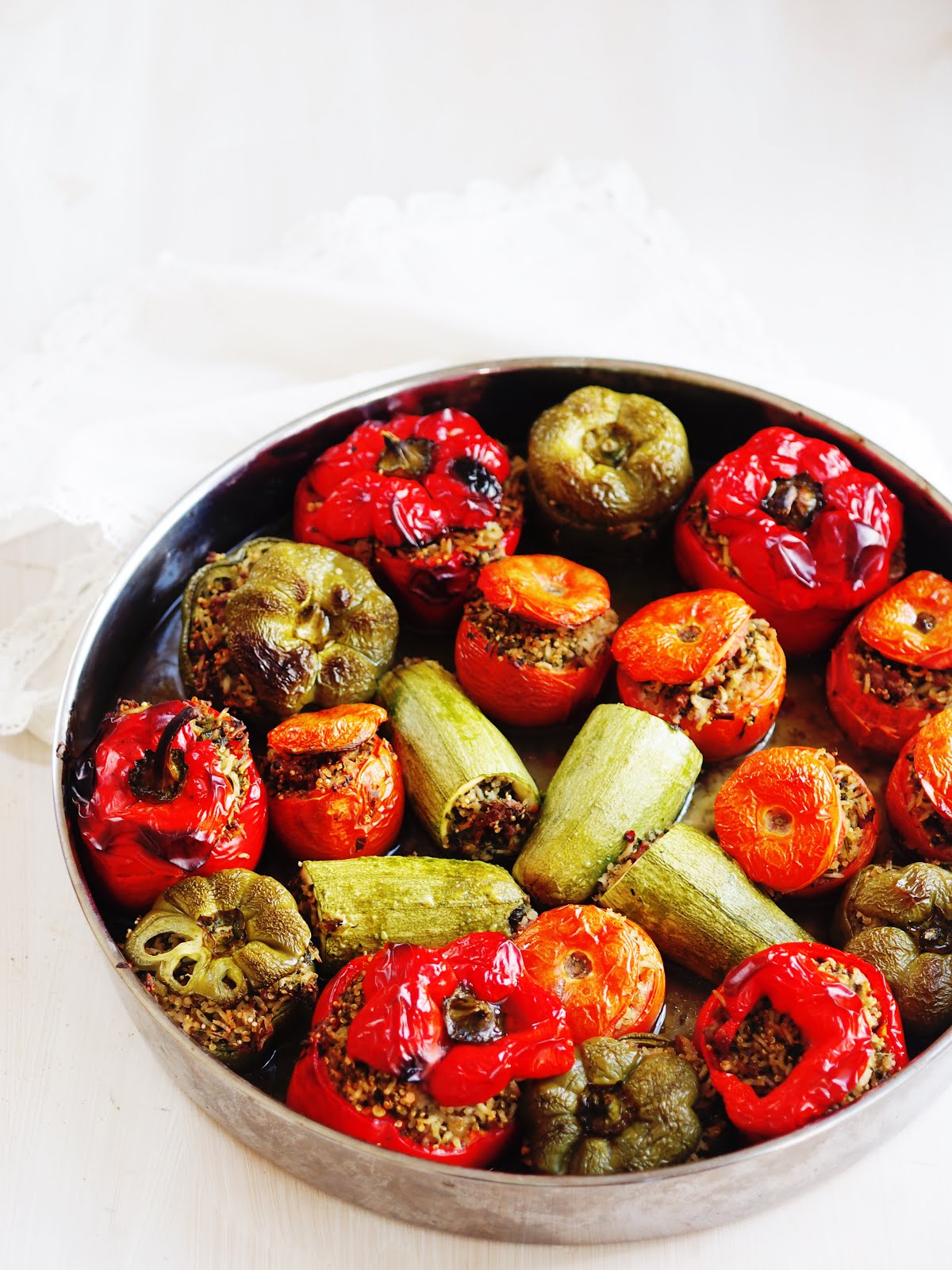
It is always nice to take a little twist on tradition every now and then. This week it was yemista's turn for a bit of a creative tweak. Instead of filling the peppers, zucchinis and tomatoes with the usual mix of white rice, I instead used some brown rice (for a hit of manganese & selenium) plus some quinoa for a little extra protein. The best addition to this recipe though was the fantastic Sparoza Mediterranean herb and spice blend, which uses a combination of 15 herbs and seeds from oregano and melissa to linseeds, mustard seeds and sesame seeds. The Sparoza spice blend makes this dish incredibly aromatic and I loved the fact that it makes the brown rice and quinoa filling even higher nutritional value with all those extra seeds. This spice blend has become a little bit of an addiction really. It makes for the perfect snack when added to a little toasted pita bread that has been liberally drizzled with extra virgin olive oil.   The real test for this twist on tradition came...

Dolmades with swiss chard, aggourida and quinoa (ντολμαδες με σεσκουλο, αγουριδα και κινοα)

Image
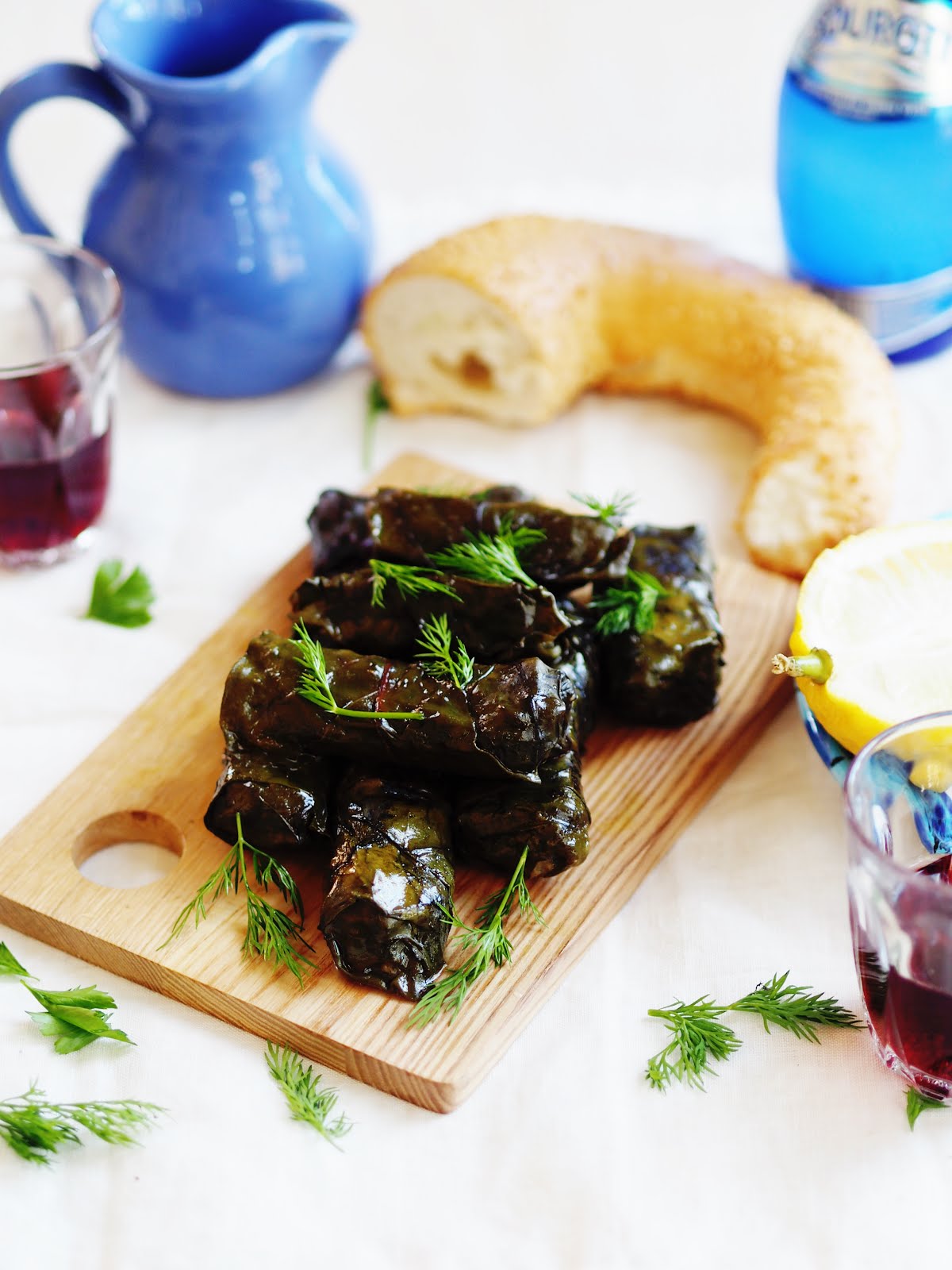
Surprisingly, 'swiss chard'  isn't native to Switzerland. It’s homeland is the Mediterranean and it has been a revered vegetable (particularly for its medicinal qualities) since Ancient times. The Greek philosopher, Aristotle wrote about chard in the fourth century B.C. Today, swiss chard continues to be a much loved vegetable on the Ionian island of Zakynthos, where it is known in the local dialect as ‘seskala’. In the rest of Greece it is  referred to as seskolo. The Zantiots prize the flavour of seskala, which is similar to spinach, but with a stronger, more assertive (some think, bitter or earthy) flavour. The fantastic variety of phytonutrients in seskala is quickly recognizable in its vibrant colours, from the rich dark green leaves to the rainbow of reds, purples and yellows. Sekala is rich in vitamin K, A, C as well as iron, magnesium, potassium, and manganese. It also has lutein, shown to help with eye health. Although seskala is available throughout the...