Posts

Fanouropita- Lost and found!

Image
Religious traditions often influence the eating habits of a nation. In Greece , Orthodox tradition has influenced our cuisine to such a degree that even those who are not religious keep the traditions. Family memories and customs keep them alive but, mostly, it is the pleasure that traditional food offers.   Fanouropita is a cake made on the 27th of August,- St. Fanourios Day. It is also made every time we have lost something or when we want to make a wish about something, - for example, good health or a new job. We used to make Fanouropita often at home because it’s a nice cake with coffee (Okay, we would make a wish from time to time!). Fanouropita is an egg and dairy free cake and according to tradition only 9 ingredients must be used to make it. Others believe that 12 is the correct number. I will give you the 9 ingredients version I know and also a twist with syrup to make it as a dessert.  Even if you haven’t lost anything, don’t lose the chance to make this! For a 20c...

Lahanoriso - cabbage, a huge flower bud!

Image
“To eat a nice cabbage, you have to wait until November” my grandfather used to say. Cold weather makes cabbages really sweet. In Greek cuisine cabbage is a basic winter vegetable because you can’t grow many things in your garden at this time of the year. It gives its special character, taste, and sweetness to many different recipes.          It matches ideally with pork or beef in dishes like ‘’staffed cabbage leaves’’ (dolmades) or pork and cabbage fricassee. It makes nice salads chopped finely with carrot or boiled in water and served warm with olive oil and lemon. But my favorite dish with cabbage is lahanoriso ; with carrot, rice, celery and olive oil, a simple, tasty and filling food.  My mother has been making this dish often in winter maybe because we always had cabbages in our garden at this time of the year. My favorite side dish for lahanoriso is fried potatoes, but if you would like to have a rich winter meal, a nice sausage would be ideal. Serv...

Fasolada - Our national dish!

Image
   Most tourists who visit Greece , are familiar with popular dishes like mousaka or souvlaki but probably no one knows that fasolada  (bean soup) is actually considered to be our national dish!  Why such a humble food?      In the old days when meat wasn’t available to everyone, beans were the main source of nutrients. As late as the Second World War, thousands of people survived thanks to soup kitchens offering fasolada. Nowadays, fasolada is a favorite winter dish and there is even a special day, - Shrove Monday -when everyone eats fasolada at home or in open air festivals where we also traditionally fly kites.      Many varieties of beans have been cultivated in Greece since the 16 th - 17 th century. The fact that beans can be easily cultivated in various soil qualities, helped to spread them all over the country. Kastoria in northern Greece is a place where some of the tastiest beans are produced from local varieties. In our t...

Galatopita - Milkpie

Image
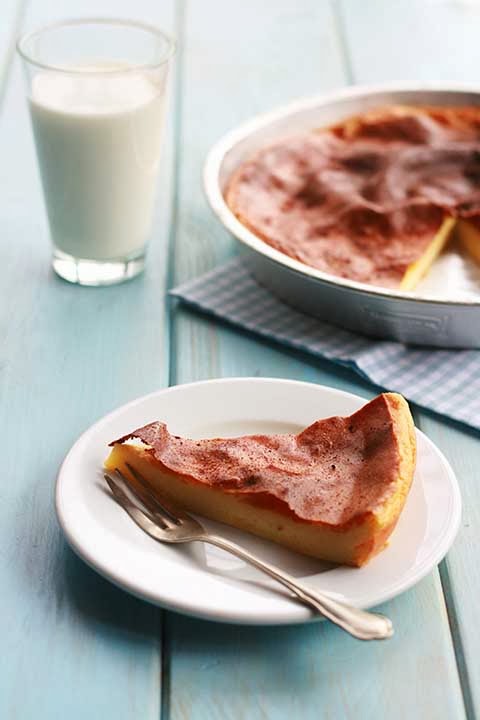
The four basic ingredients in pastry are sugar, eggs, flour, and milk. There are endless variations and proportions in which these four ingredients can be mixed to become different desserts. Nowadays there is a great variety of special pastry ingredients but in the old days people had to use their creativity, four basic ingredients, and maybe some spices and natural flavorings to make different desserts. Such a simple dessert in Greek cuisine is Galatopita (milk pie), a sweet baked cream with ingredients found in every house My grandmother had goats in our cottage house and galatopita with goats milk was often on the menu. The ideal combination to flavor a Galatopita is vanilla in the cream and some cinnamon to dust the pie just before baking. There are several variations to make this pie, like using semolina flour instead of all purpose flour, pie crust or fyllo as a base or simply flavoring it with lemon zest instead of vanilla. Galatopita Serves 4-5 500gr milk 100gr flour 80gr suga...

Meatballs and tzatziki- Meze time!

Image
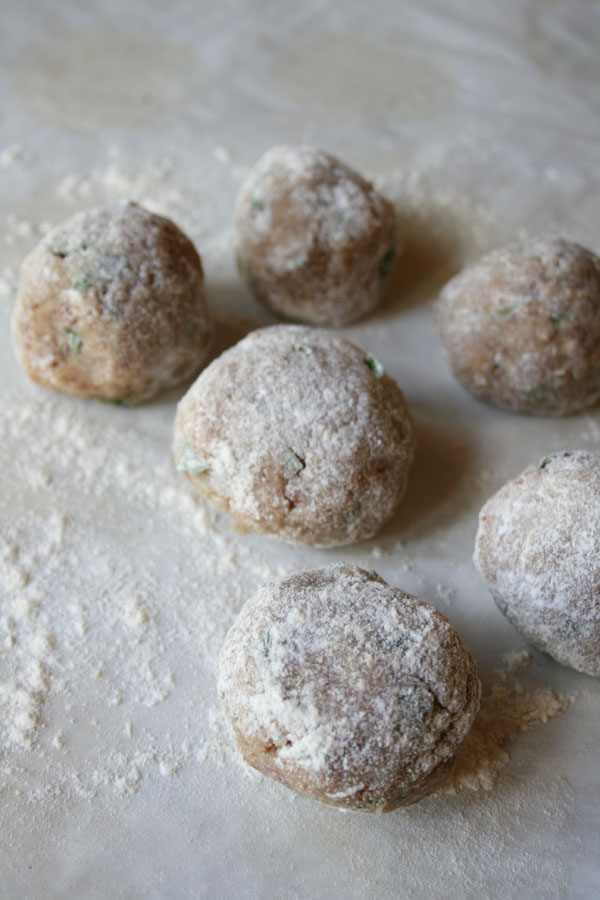
In Greek cuisine, there is a special category of dishes, that we call ‘meze’ or ‘mezedes’ in the plural. Mezedes  are an endless list of ‘little somethings’’ you want to eat with your beer, ouzo, or wine. A Meze is not a main course but the great variety usually offered in a house or tavern, ends up being a full meal. To make meatballs many people use half pork-half beef ground meat; others use lamb ground meat. We always use only beef at the tavern and everyone seems to like this version. It is also the kids’ favorite; I remember when I was a kid whenever I didn’t like lunch my grandmother would always make meatballs especially for me. Meatballs are ideally matched with fried potatoes and tzatziki. Meatballs (Keftedákia) Serves 4 500gr ground beef 70gr olive oil 120gr water 90gr dried bread crumbs 1-2 garlic cloves 1 medium onion 2 Tsp chopped parsley 1 egg beaten salt and pepper to taste Combine all ingredients in a large bowl and mix with your hands. Form bite-size meat balls ...

Green beans, a summer classic!

Image
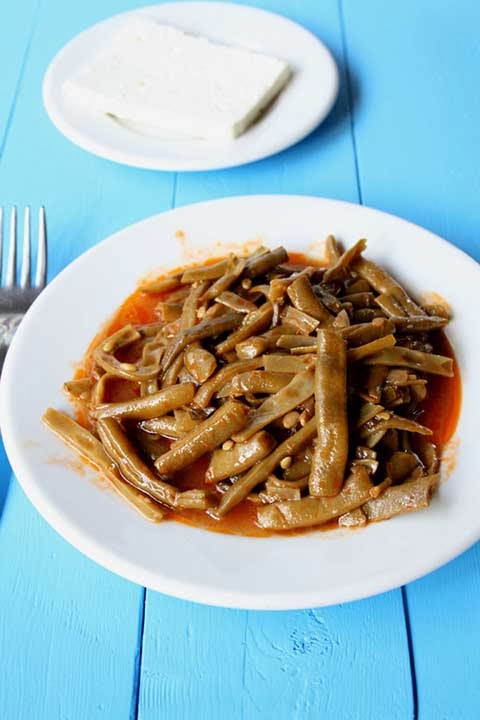
Laderá in Greek means braising vegetables with olive oil (ládi) to taste. These dishes are mostly cooked in summer when there are many fresh vegetables, but also because of the heat, light dishes are most enjoyed. Green beans is the most classic ‘’oil cooked’’ dishes. All over Greece there are many local varieties of green beans that differ in size and shape. Of course, there are frozen green beans,all year long in the super market, but I believe that vegetables should be consumed fresh when they can be cultivated outdoors in the right season.  Green beans are always cooked with onion, tomato and parsley, while the quality of olive oil defines the final taste. Extra virgin olive oil gives to vegetables a light and really superior taste. The most suitable and popular side dish for vegetables is cheese, - feta or any other local cheese, such as graviera or kefalotyri. Braised green beans Serves 4 1kg green beans 200gr olive oil (or to taste) 1 medium onion 200gr chopped tomatoes 4 ...

Ode to tomato – Kayanas

Image
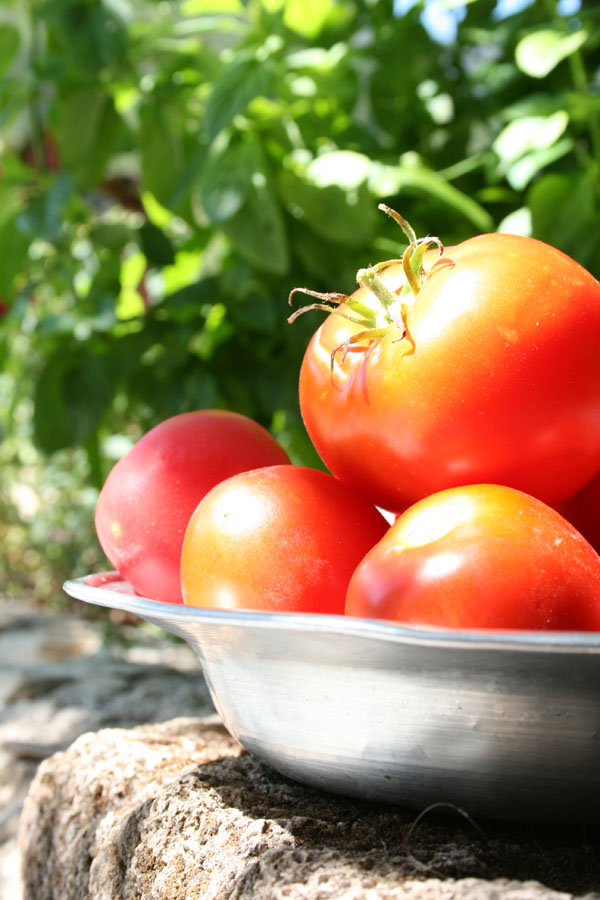
“The street filled with tomatoes, midday, summer, light is halved like a tomato, its juice runs through the streets. (….) The tomato offers its gift of fiery color and cool completeness. Pablo Neruda   “Ode to tomato”   Every summer I look forward to harvest the first ripe tomatoes in order to make kayanas with the right taste. That magnificent combination of tomatoes and eggs is my favorite main course for the hot summer days. It is also nice over toasted bread as an appetizer in a summer lunch, or as a rich sauce for pasta. Kayanas can be seasoned with oregano, basil, mint or garlic but please only one of them; tomato has to be the King of flavor. This food reminds me of my childhood, when my mother used to cook it with tomatoes from our garden. I could eat that every day for the whole season! Serves 2 ingredients: 600gr peeled and finely chopped tomatoes 4-6 eggs 150gr olive oil 1 Tsp sugar salt, pepper, oregano In a saucepan put the tomatoes, sugar some salt and pepper a...