Posts

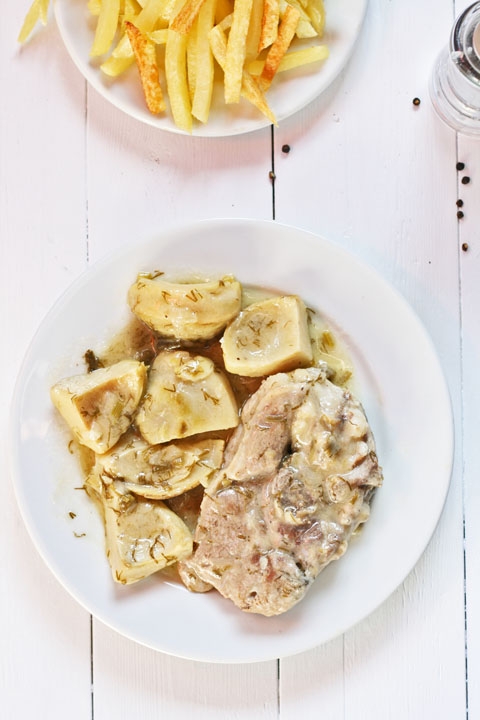
Arnảki me aginảres - Lamb stew with artichokes
Image
    Artichokes  (aginảres in Greek)  are the most tasty and unique vegetable of Spring. These flower buds can be found fresh only at this time of the year and the list of recipes to cook them is endless.     Globe artichokes are cultivated worldwide but the ‘wild’ variety, although they are smaller and have thorns, have been preferred in Greece since ancient times. They cost double the price of Globe artichokes because of their wonderful taste. Wild artichokes are more difficult to find in the market but in the island of Tinos they are widely cultivated, marinated in olive oil, and sold canned,  -  a great meze.     In Greece we also make a very nice vegetable stew with artichokes, broad beans and peas, all of which are in season at the same time.      Since Easter is getting close, one of our favorite traditional festive dishes is lamb stew with artichokes  ( arnảki me  ...
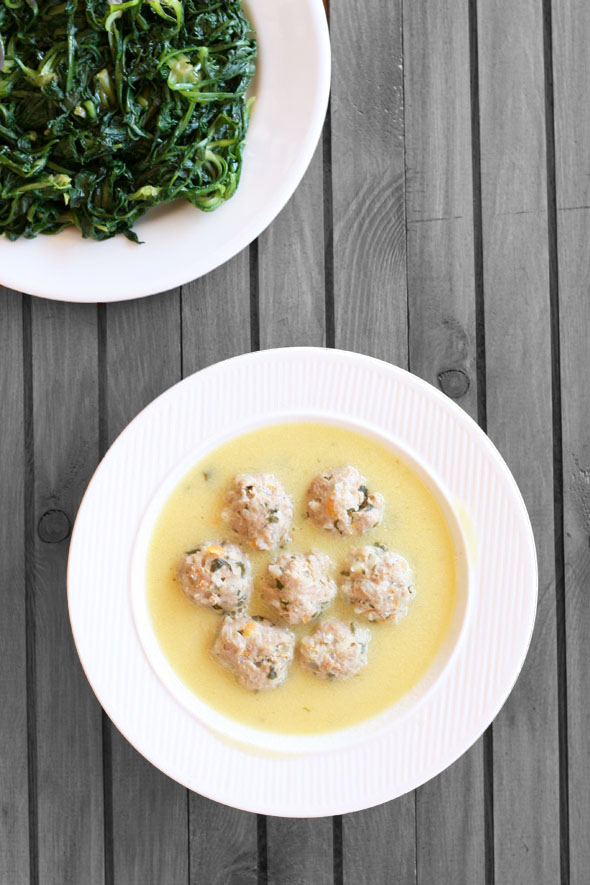
Youvarlảkia – Rice Meatballs (soup or not soup)

Image
       Youvarlákia are meatballs made with ground beef, rice, and herbs. They are cooked in stock and then thickened with avgolẻmono sauce. Avgolẻmono is the most characteristic Greek sauce and consists of whole beaten eggs with the addition of lemon juice. This is added carefully to the meatballs just before serving to give taste and a velvety texture to the final dish.        When you have no time to cook two dishes for a meal, Youvarlảkia can be the best choice. It can be served either as a hearty soup in winter or as a main dish anytime, - especially in summer when the weather is hot and soup is not a good choice. We then cook youvarlákia with half the amount of stock in order to end up with a thick sauce. This version of the dish is usually served with fried potatoes. The meatballs Serves 4 500gr ground beef ¼ cup rice  3 Tsps olive oil 1 carrot grated 1 onion chopped 2 Tsps. Chopped parsley or dill (or both) Salt and pepper to tas...

Wild asparagus made it clear; Spring has come!

Image
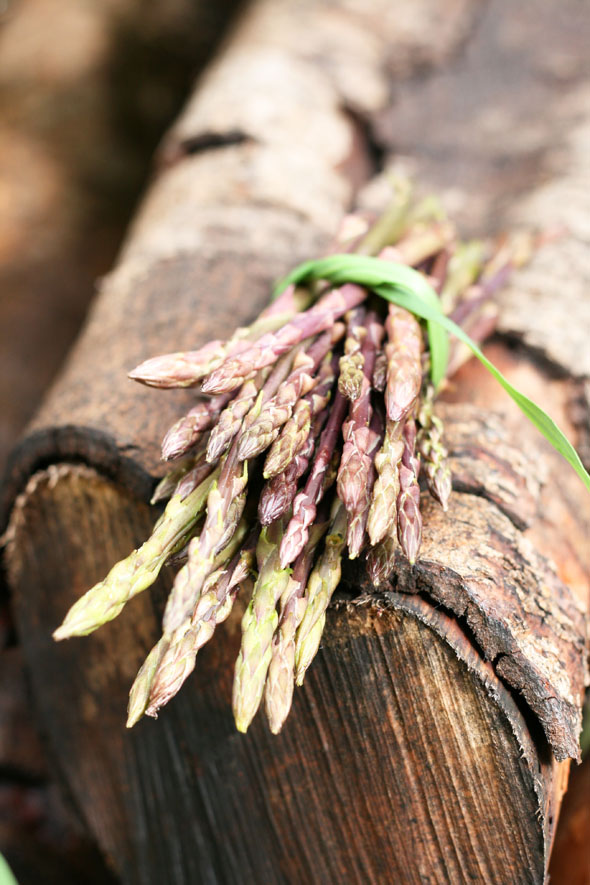
Yesterday, under the olive trees, we found the first wild asparagus of the year. What a treat! Have you ever tasted wild asparagus? That is not something you wouldn’t remember!. Their taste is superb. . In Greek they are called  σπαράγγια -sparảgia  and in my opinion, wild ones are ten times better tasting than cultivated ones. In the mountains you can find native wild asparagus from late February to late April. As I read on wiki, wild asparagus are found all over Europe and Asia as native plants, so look out for them in scrubland , roadsides, and river valleys near you. Their shape is much thinner than the cultivated variety and their color is green or purple. The most common way we cook them in Greece is in omelets. You can also make nice risottos or simply cook them for a minute in boiling water and serve them strained with olive oil and lemon. Serves 2 150gr wild asparagus 4 eggs lightly beaten (cooked, peeled, and diced potatoes or mushrooms to make it more filling) ...

Galaktoboúreko, time for dessert!

Image
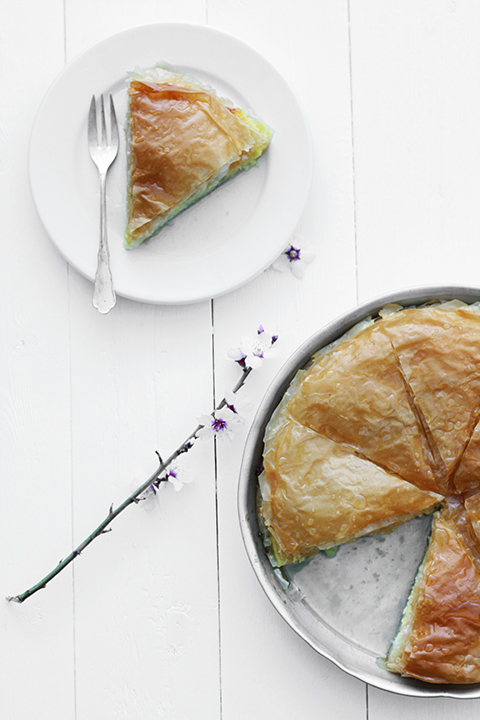
                    Some traditional desserts are so popular that there are pastry shops specializing in making only that special one; they often have long queues with customers waiting to buy their favorite. One of those desserts is galaktoboúreko.           Galaktoboúreko is a traditional dessert made with phyllo pastry crust and filled with semolina custard. Butter and vanilla give to the cream its wonderful taste.            Galaktoboúreko was traditionally made at Easter. But it is so tasty that no one could wait until Easter to enjoy it, so now you can find it all year long. Every home cook and pastry shop has its own version of this dessert. Everyone uses different proportions of the same ingredients. The quality of the butter, orange or lemon zest, the thinness of the phyllo pastry, and  the baking time are a few of the  secrets leading to different unique results....

Lagảna bread and taramosalảta , Shrove Monday’s specials.

Image
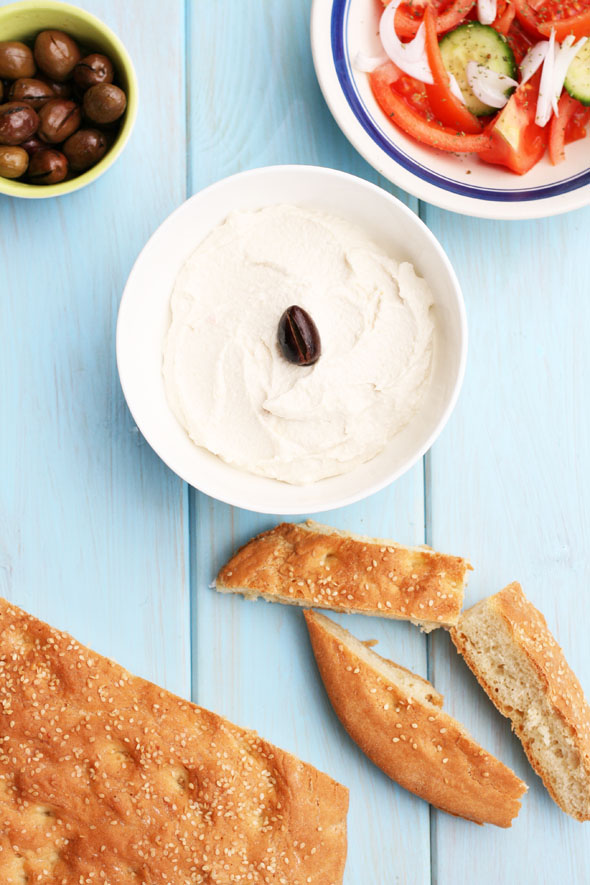
              Shrove Monday is the day after Carnival and the first day of the Orthodox Great Lent which lasts for forty days until Easter. Like any other festive day, Shrove Monday has its own traditions. Adults love it for the food and children love the flying of the kites.               In Greek it is called “Clean Monday” because we don’t eat meat, dairy products, and only certain types of fish are traditionally allowed. All the bakeries in  the country bake only one kind of bread, lagána , a very tasty flat oval bread sprinkled with sesame seeds. It is such a pity we can find this bread only once a year.               In every town there are open air festivals for the flying of the kites, - where everyone is served fasolada , baked butter beans , lagána bread and taramosaláta. Taramosaláta is a cod roe spread made with the roe, bread crumbs, olive oil, and lemon. It...

Risόgalo, rice pudding with mastic

Image
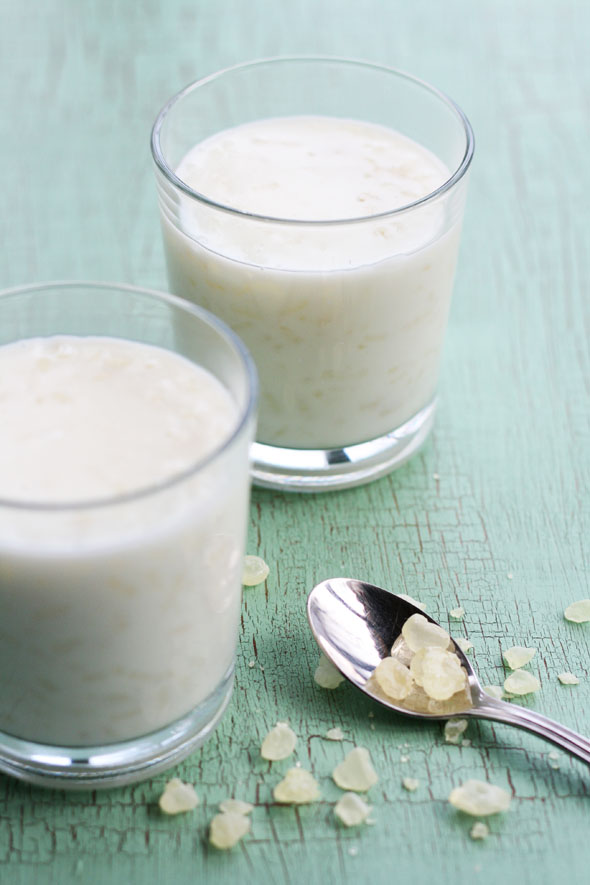
       Mastic ( μαστίχα -mastiha) is a white crystal-like resin obtained from the mastic tree (Pistacia lentiscus ) which grows only in the southern part of the island of Chios . It is a widely used natural flavoring in Greek cuisine, especially in pastry, and has been granted a Protected Designation of Origin status. Attempts to grow mastic trees even in northern parts of the same island were unsuccessful!! Mastic gives flavor to crèmes, puddings, beverages, sweet breads and it is used the same way you would use vanilla. Our favorite mastic flavored pastry is tsoureki, a sweet Easter bread resembling brioche, and the most characteristic Greek dessert, kaimaki, is ice cream made from full cream scented with mastic. A nice way to become familiar with the mastic flavor is to try this creamy rice pudding. Serves 4 80gr rice for risotto 1 cup (250gr) water 5Tsp sugar 2 ½ cup (600gr) milk 1 ½Tsp corn flour A pinch of crushed mastic (1/6tsp) A pinch of salt Place the...

Fresh pasta, without eggs- Striftᾱdia or Makaroones

Image
My grandmother used to make fresh pasta for her eight (!) children, twice a week. Actually each of my grandmothers had eight children.  Her fresh pasta was made without eggs. Eggs were used only in dry pasta. All the taste would come from the fresh homemade butter and the mizithra cheese served with the pasta. Every family in the country side used to have their own goat’s milk in order to make butter, feta and mizithra cheese for their domestic needs. Of course they also had their own flour for bread and pasta and they would buy only those things they couldn’t produce themselves. When industrial pasta became widely available people stopped making fresh pasta because of the cheap price and the lack of effort involved. That was the time my grandmother stopped making fresh pasta too. I had the chance to taste her pasta only once - at a family gathering many years ago when my uncles asked her to revive their childhood memory. I still remember that taste: simple, very tasty, and heart...