Posts

Scordomacárona –An easy spaghetti with garlic and tomato paste

Image
   The first day we would go to our summer house, my mother always had to do a lot of cleaning, so there wasn't much time for cooking - Scordomacárona was the answer!    This simple pasta made with tomato paste is probably the first dish I ever learned to cook, because it’s easy to prepare and very tasty at the same time. We use tomato paste a lot In Greece and a can of it is always available in every household fridge. Santorini island makes a very special paste because they use the local heirloom ‘dry’ tomatoes which are grown in the volcanic soil of the island without ever being watered.  The plant absorbs water from the night breeze which brings moisture from the sea. Its taste is unique but the limited production makes it a bit difficult to find. Serves 4-5 500gr spaghetti 6Tsps olive oil 4 garlic cloves 3Tsps tomato paste 1Tsp sugar (or to taste) salt and pepper to taste Cook spaghetti in boiling water with salt to your taste (either al dente or more). Str...

Mosharaki me lahanika - beef stew with summer vegetables

Image
       This classic beef stew with tomato sauce is usually served with pasta or fried potatoes. However, in hot weather there are many tasty seasonal vegetables that can take the place of pasta and fried potatoes making a lighter dish with a summer touch.       The stew can be made with beef or with any other meat or poultry. Zucchinis, eggplants, sweet peppers and potatoes( or carrots) are the most popular summer vegetables chosen for this dish.        We usually serve kokkinisto with graviera cheese as a side dish. It is a lightly salted yellow hard cheese with a sweet aftertaste. If you can't find graviera, then gruyere could be a good choice. Serves 4 1kg fillet of beef, top loin or sirloin 150gr olive oil 300gr chopped ripe tomatoes 1 Tsp tomato paste (optional) 1 Tsp sugar 1 medium onion, chopped 1-2 garlic cloves chopped 1 cinnamon stick Salt and pepper to taste 1 litre hot water 2 small zucchinis 1 medium eggplant 1-2 sweet ...

Melitzanosalata - eggplant spread, the monks' way

Image
            Eggplants are the basic ingredient of many summer dishes; they make wonderful combinations with tomato, garlic, onion, peppers, basil and many other summer vegetables, all producing very tasty dishes.      Today we harvested the first eggplants of the season and the best way to taste them without too much cooking is melitzanosalảta , a spread made with roasted eggplants, olive oil, vinegar and just an idea of garlic. Roasted red peppers can  also be added for extra color and sweetness. This vegan version is called agioritiki and takes its name from the monks’ community of Athos peninsula ( Agio Oros ). The addition of yogurt or mayonnaise does give a rich taste but one closer to what you find in the store bought melitzanosalata. Enough for 2 2 medium size eggplants 4tbsp olive oil vinegar to taste a small garlic clove or less 1tbsp chopped parsley salt and pepper to taste       The best way to roast your eggp...

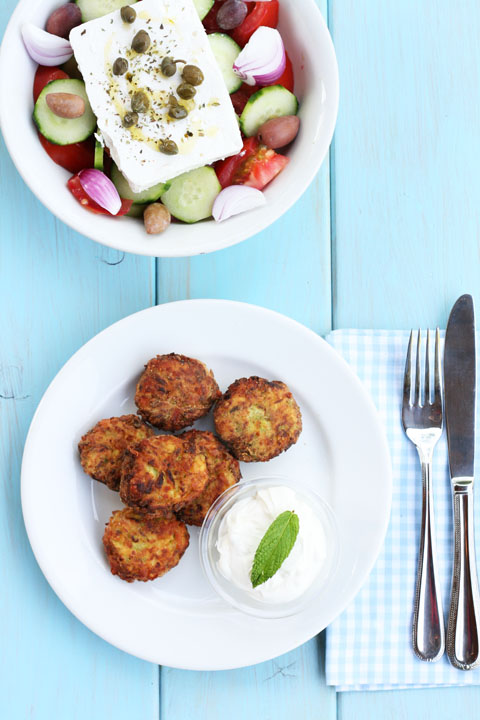
Zucchini fritters and choriảtiki salad - a light summer meal

Image
          Mediterranean summers are very hot and heat calls for light meals. In Greece we use many vegetables in our summer cuisine - in salads, in vegetable stews, grilling them, baking them,  or making fritters for more filling bite size snacks.       The most famous Greek salad among locals and tourists is choriảtiki the base of which is tomato, cucumber, and onion topped with a generous slice of feta cheese. Choriatiki is also garnished with olives, green pepper, capers and dry oregano. Olive oil is the final and most important ingredient of any salad; it has to be fresh extra virgin olive oil because salads are not cooked, and therefore all special characteristics of the oil used affect the taste.      A zucchini fritter ( kolokythokeftẻdes ) is a nice way to turn zucchinis ( kolokỳthia ) into a tasty snack. It is usually served as a first course or as a meze for your ouzo or wine. Some Greek yoghurt  is al...

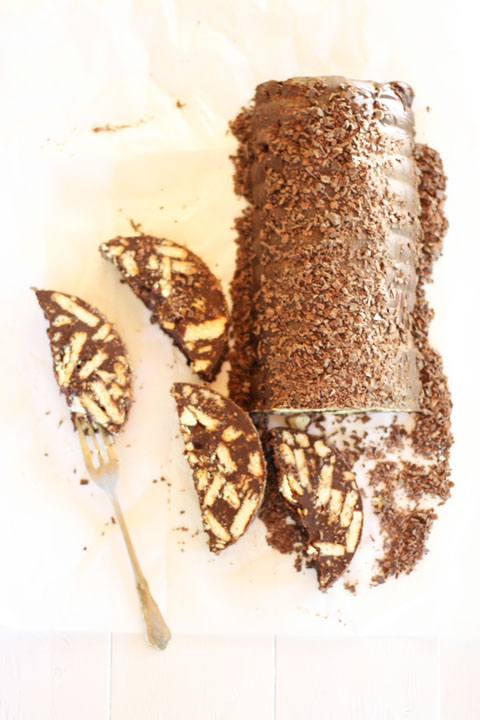
Mosaico - Mum's chocolate log

Image
       Our country cottage is in a small village. There was no shop to buy anything, and we had to visit the nearest town to get supplies. Of course we always would buy goods in advance, but there was one thing that as a kid I was missing in summer and that thing was ICE CREAM!!!.       As you know, mums don’t like their children to be miserable, so I had a favorite ice cream substitute that my mother could easily make at our cottage with no special equipment. This was her chocolate and biscuits log; she called it mosaico. It is not her own invention; it’s actually a quite popular dessert all mothers used to make since the 70’s.       My mother makes this delicious dessert with vegetable margarine, cocoa, eggs and a couple table spoons of brandy to eliminate the egg flavor but, as an adult, I prefer to use less fat and  make it with dark chocolate and whipping cream. I will give you both recipes to decide which one fits better ...

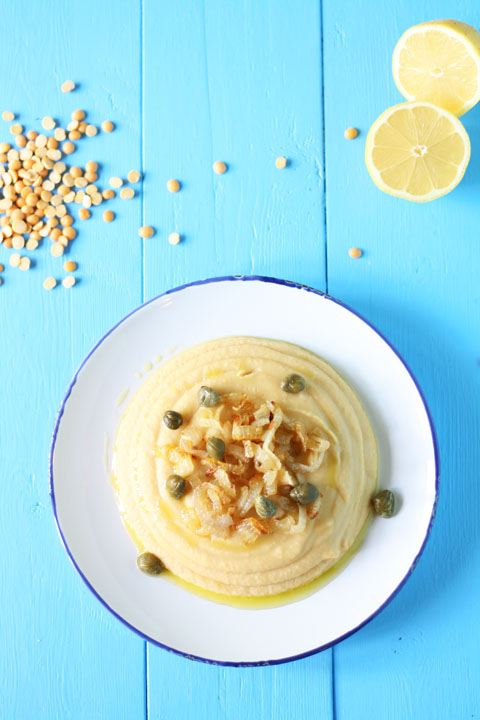
Fava - yellow split peas puree with caramelized onions

Image
      Yellow split peas or fava, as we call them in Greece, are cultivated in many regions of the country where different microclimates give them completely different tastes. Santorini , apart from being one of the most beautiful islands, is the place of origin of the best quality fava beans produced in our country. The volcanic soil and the unique dry climate give to the beans an exquisite taste but the limited production makes it difficult to find them outside the island. Very good fava is also produced in the valley of ancient Feneόs here in the Peloponnese.         Fava is usually cooked as a puree and since its taste is quite neutral, caramelized onions, capers or some finely chopped Greek salad on top, can transform it into a gourmet dish.  Serves 2 For the fava puree: 70gr olive oil 1 medium onion chopped 250gr yellow split peas 1,5 litre of water salt and pepper to taste  For the caramelized onions:       ...

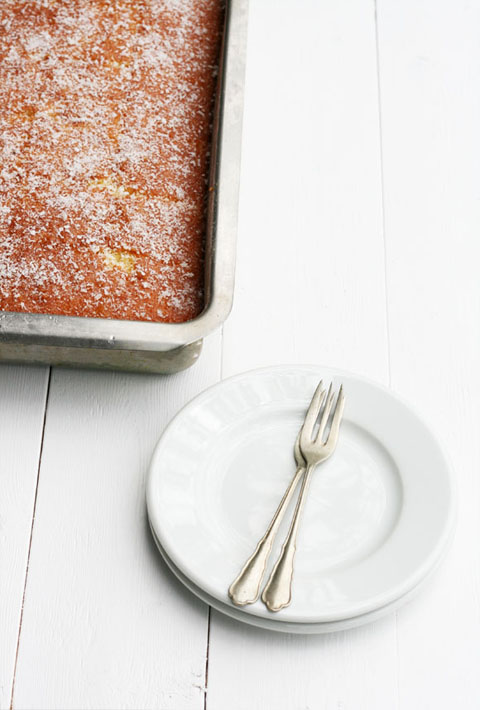
Coconut ravani- coconut semolina cake

Image
      Sometimes I wonder what makes something traditional in cooking. I suspect it is a combination of factors: local ingredients, eating habits  and  sometimes our ability to incorporate into our own tradition methods and ingredients that come from other countries with different cultures or even a  different climate.       This flexibility probably keeps traditions alive within generations and endlessly produces more traditions. A good example is spices. They are now widely used all over the planet in all cuisines. Who can imagine pastry making without vanilla? Such ingredients seem to have been in our kitchens since the day we started cooking our food.       That’s how my grandmother used to make her delicious coconut ravani cake , - without ever wondering what coconut ( καρύδα in Greek ) had to do with Greece. We usually make this light dessert when the weather gets warmer because it smells like summer and it’s the ve...