Posts

Watermelon, feta and chilli salad ( Σαλατα με καρπουζι, φετα και πιπερια τσιλι)

Image
I can't imagine summer without chilled watermelon, its fresh cool juice and crunchy edges. During our summer in Greece last year, every market we visited from Athens to Naxos had stalls selling huge watermelons, all piled up into pyramids or towers. Driving in the country side, there were trucks pulled over on the side of the road selling the hot pink and green fruits - the infamous summer kapouzi was inescapable!  When the weather is so hot that you can't even face cooking, this salad is perfect. The watermelon is tossed together with salty Greek sheep milk feta cheese, mint and Thai basil leaves, sweet red onions and a little hit of chilli. It's best served really chilled, so you can prepare the salad and leave it in the fridge - just add the herbs and pour over the olive oil and toss before serving. It's just like a Greek summer on a plate!  Watermelon, feta and chilli salad ( Σαλάτα με καρπούζι, φέτα και πιπεριά τσίλι) Serves 4; preparation time 15 mins  Ingredients...

OLD, TRADITIONAL COOKING METHODS WE USE STILL IN GREECE AND…WE LOVE IT!!

Image
COOK WARE AND BAKE WARE   THE  G A S T R A:  In Ancient Greece “gastra” was a food preparation concave utensil. When cooking food in the  United States  and many other countries, people use the resources that are available to their market. That means they use their stovetops, ovens, and occasionally the gas or charcoal grills that they may have outside. In  Greece  there are plenty of modern kitchens of course that are equipped in the same way as these kitchens, but that’s not the only way Greek people cook. In many regions of  Greece  things are a little different though and local people don’t count on Electricity or technology. Old traditional cooking methods are still commonly used, mostly in the villages and mountain areas. One of the different methods people still use to cook in Greece – especially in Epirus and Northern Greece is the GASTRA,  a mobile oven I can say, a concave tin structure which...

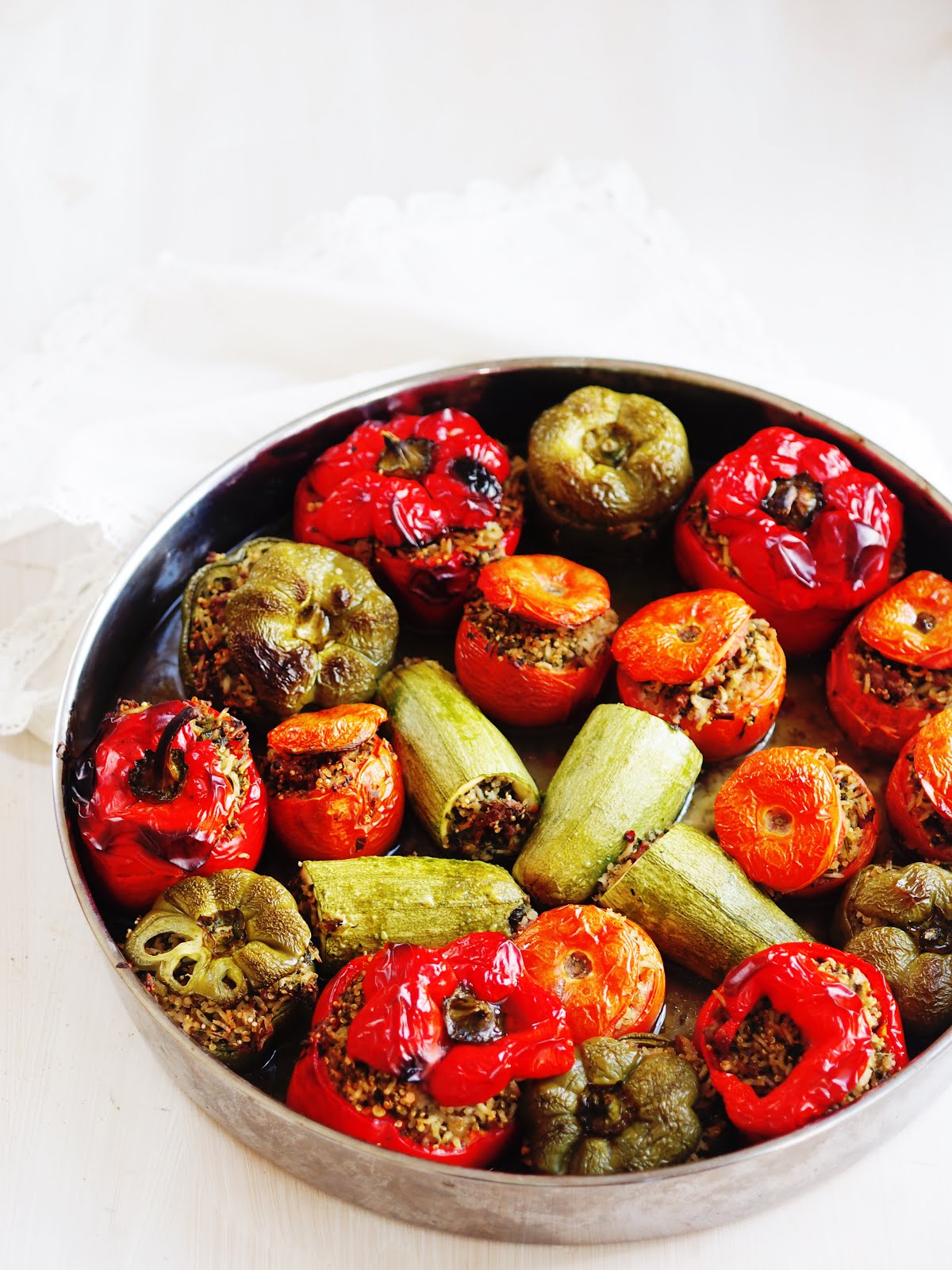
Stuffed Vegetables with Quinoa (γεμιστα με κινoα)

Image
It is always nice to take a little twist on tradition every now and then. This week it was yemista's turn for a bit of a creative tweak. Instead of filling the peppers, zucchinis and tomatoes with the usual mix of white rice, I instead used some brown rice (for a hit of manganese & selenium) plus some quinoa for a little extra protein. The best addition to this recipe though was the fantastic Sparoza Mediterranean herb and spice blend, which uses a combination of 15 herbs and seeds from oregano and melissa to linseeds, mustard seeds and sesame seeds. The Sparoza spice blend makes this dish incredibly aromatic and I loved the fact that it makes the brown rice and quinoa filling even higher nutritional value with all those extra seeds. This spice blend has become a little bit of an addiction really. It makes for the perfect snack when added to a little toasted pita bread that has been liberally drizzled with extra virgin olive oil.   The real test for this twist on tradition came...

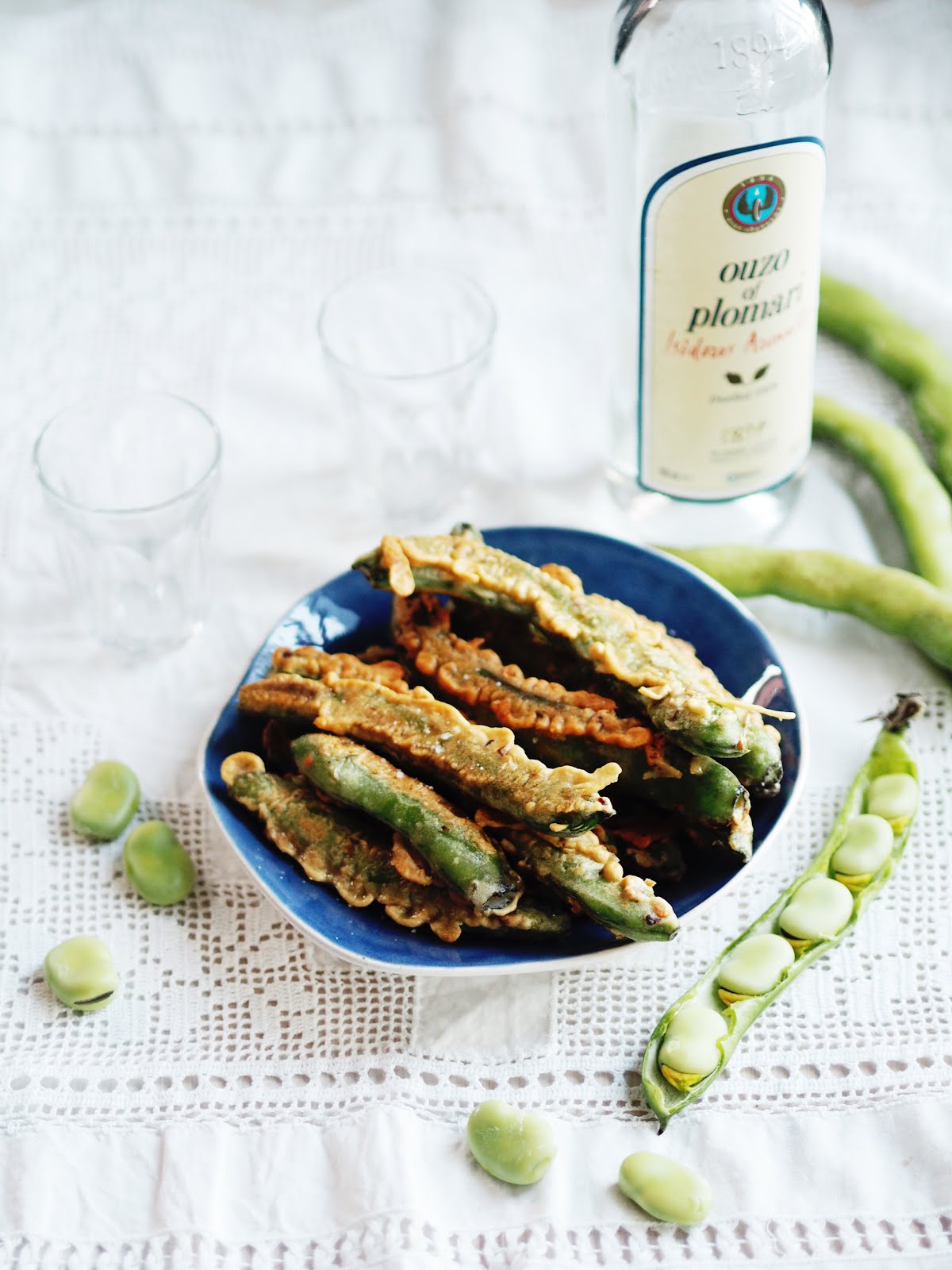
Broad beans fried with ouzo (κουκια τηγανητα με ουζο)

Image
While artichokes will always remain my true love of springtime, broad beans come a very close second. This recipe is inspired by my father in law, who while working as a grocer in his store in Dulwich Hill would often make himself a quick lunch of flash fried young broad beans in between customers. Ba would lightly dust the young tender broad beans in seasoned flour and fry in Greek extra virgin olive oil (EVOO). He says this quick lunch reminded him of the ones his mother, Ekaterini, would make when he was a young boy in his family villaged, called Diasella,  in the Peloponnese.  My twist to the recipe is to enrich the batter a little and add a dash of ouzo. This makes a great light springtime dinner, with a little smoked trout or (for the more robust taste buds) Greek herring called Renga (Ρέγκα) and some punchy, garlicky skordalaia. This light spring time meze is best accompanied by a chilled glass of ouzo. Broad beans fried with ouzo (κουκιά τηγανητά με ούζο) Serves 4...

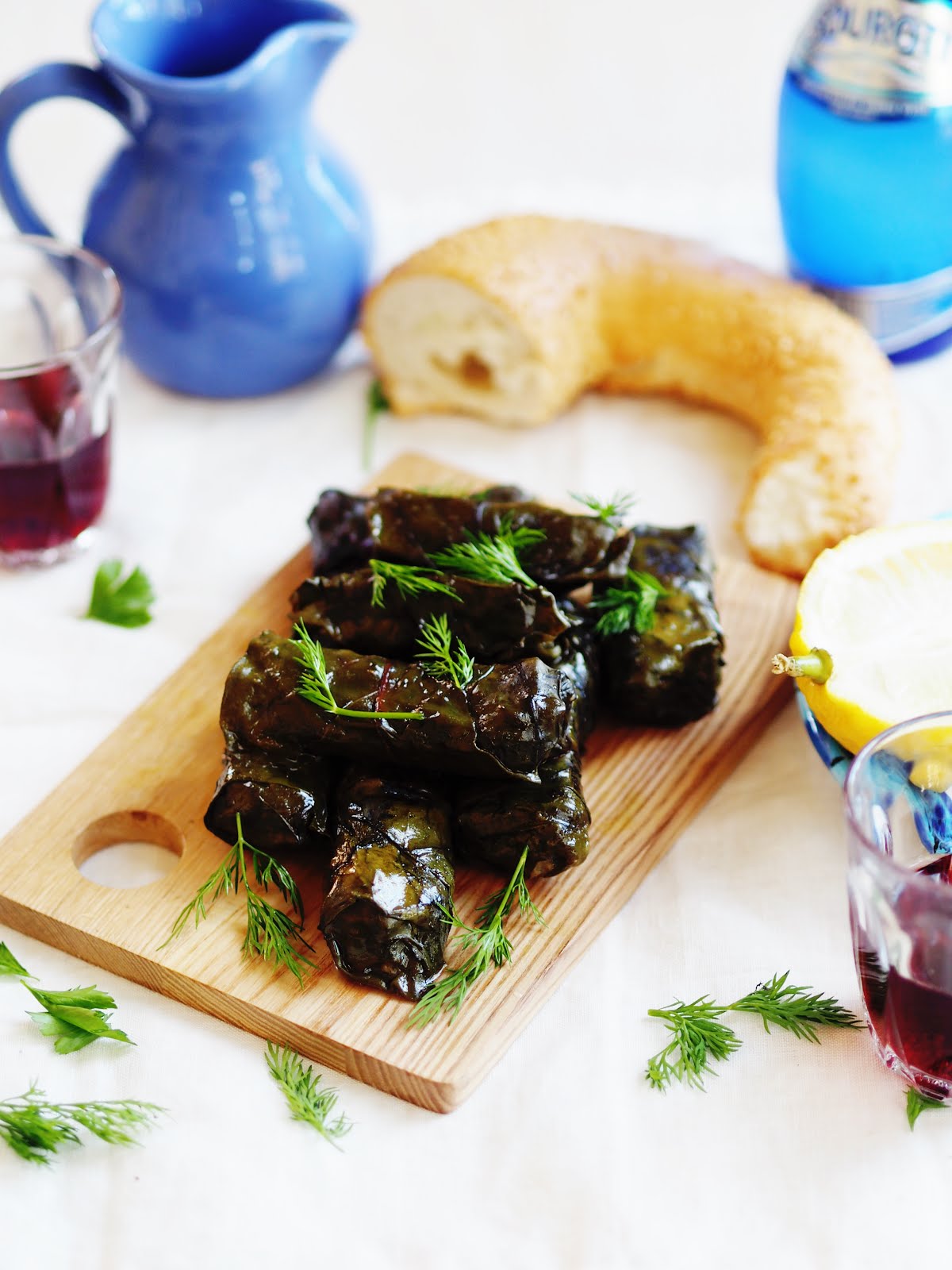
Dolmades with swiss chard, aggourida and quinoa (ντολμαδες με σεσκουλο, αγουριδα και κινοα)

Image
Surprisingly, 'swiss chard'  isn't native to Switzerland. It’s homeland is the Mediterranean and it has been a revered vegetable (particularly for its medicinal qualities) since Ancient times. The Greek philosopher, Aristotle wrote about chard in the fourth century B.C. Today, swiss chard continues to be a much loved vegetable on the Ionian island of Zakynthos, where it is known in the local dialect as ‘seskala’. In the rest of Greece it is  referred to as seskolo. The Zantiots prize the flavour of seskala, which is similar to spinach, but with a stronger, more assertive (some think, bitter or earthy) flavour. The fantastic variety of phytonutrients in seskala is quickly recognizable in its vibrant colours, from the rich dark green leaves to the rainbow of reds, purples and yellows. Sekala is rich in vitamin K, A, C as well as iron, magnesium, potassium, and manganese. It also has lutein, shown to help with eye health. Although seskala is available throughout the...

Nafplio: a guide

Image
It is nearly impossible to describe in words just how much I love the Peloponnese. Nafplio is indeed one if its gems and among one of the most romantic towns in Greece. Geographically located on the eastern side of Peloponnese and only 2 hours drive from Athens, this is a popular weekend destination. The Old Town is a marvel to walk around with elegant neoclassical mansions and large squares, while on the hill above the Old Town is a fortress castle dating from the Venetian ages. There are some incredible beaches located nearby (even the town beach is excellent) and the Old Town is host to plenty of fabulous restaurants, tavernas, cafés, art galleries and museums. The twice weekly local farmers market is also a real delight and not to be missed. Getting there There are no airports near Nafpilo, but it is an easy 2 hour bus ride from Athens. There are regular buses from Athens to Nafplio every day. Buses from Athens depart from Kifissos KTEL Bus Station very frequently, about 4-5 times ...

Fried eggs smothered in garlic as in Zakynthos (αυγα τηγανητα σκορδοστουμπι οπως στο Τζαντε)

Image
A survey of my Greek family has revealed that one of their favourite family meals is Ma’s “eggs smothered in garlic”. The literal term 'skordostoumbi' is used to mean garlic pounded or mashed. The amount of garlic used in this recipe denotes its Zakynthian origins, although my Peloponnesian father in law also makes claims on the origin of this dish. Most often made for a late breakfast, it contains a whole head of garlic, ripe summer tomatoes, plenty of extra virgin olive oil, fresh oregano and eggs. If you are feeling decadent, you can also add a little crumbled feta or some cubes of fried potatoes. While this dish makes a great breakfast, it is also perfect for a late lunch or light dinner - just add a green salad on the side. Fried eggs smothered in garlic as in Zakynthos (αυγα τηγανητα σκορδοστουμπι όπως στο Τζάντε) Serves 2; cooking time 50 mins Ingredients 1 espresso cup of EVOO 1 head of garlic, chopped 200 grams of fresh tomatoes, peeled and grated or ½ can diced tomato...